
|

| MOQ: | 1 |
| giá bán: | To be quoted |
| bao bì tiêu chuẩn: | Gói đồ an toàn hoặc hộp gỗ dán |
| Thời gian giao hàng: | 25 ngày làm việc |
| phương thức thanh toán: | T/T |
| Khả năng cung cấp: | 3 bộ mỗi tháng |
| Thiết bị | Yêu cầu về thông số kỹ thuật |
|---|---|
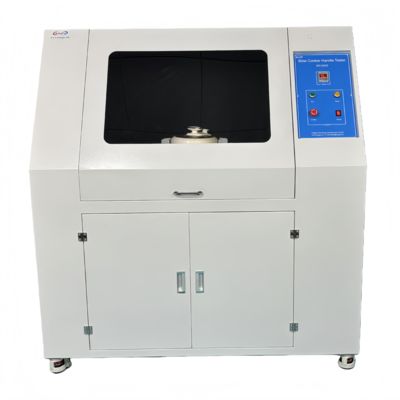
| Máy thử nghiệm chu kỳ động | Động cơ nâng ≥ 305 mm, thời gian nâng ≤ 1 giây, tần suất chu kỳ 1 chu kỳ/giây, tải trọng tối đa ≥ 60 kg |
| Thiết bị kẹp | Chiều rộng 51~102 mm (có thể điều chỉnh), tập trung vào khu vực nắm bắt, tải trọng bằng nhau cho nhiều tay cầm |
| Hệ thống cân | Độ phân giải 1 g, độ chính xác ± 0,1% |
| Hệ thống điều khiển nhiệt độ | Duy trì nhiệt độ tay cầm cao nhất quy định tại khoản 41 ±5°C |
| Ghi dữ liệu | Việc ghi lại theo thời gian thực số lượng chu kỳ lực-động-năng lượng-năng lượng |
| Điểm | Yêu cầu |
|---|---|
| Số lượng mẫu | 6 đơn vị(3 đơn vị cho thử nghiệm với năng lượng ở nhiệt độ cao 58,5, 3 đơn vị cho thử nghiệm lặp lại không có năng lượng trong môi trường 58,6) |
| Xử lý trước | Đánh mỗi đơn vị một cách độc lập: cơ sở + nắp + thùng + đầy nước (năng lượng tràn) → tổng trọng lượng × 3 |
| Xét nghiệm bình nấu ăn riêng biệt | Tàu + nước đầy (năng lượng tràn) × 3 |
| Năng lượng làm nóng trước | Hoạt động theo Điều 41.1.14 khi đặt nhiệt độ tay cầm cao nhất cho đến khi ổn định nhiệt (≥ 2 giờ) |
5. Các thủ tục thử nghiệm (tương ứng với UL nguyên bản từng mục)
6Các tiêu chí chấp nhận
| Điểm | Tiêu chuẩn vượt qua |
|---|---|
| Hãy giữ lòng trung thành | Không bị gãy, tách hoặc biến dạng vĩnh viễn |
| Số lượng biến dạng | ≤ 5 mm (công cụ nhìn + cột Vernier) |
| Sự suy giảm lực | Trong suốt ≤ 10% |
| An toàn điện | Không bị hư hỏng cách điện hoặc lỗi nối đất |
| Hoàn thành chu kỳ | 5000 chu kỳ không bị hỏng |
Q1: Tại sao số lần chu kỳ là 5000 lần thay vì 50.000 lần?
A: Điều 58.5 của UL 1026 rõ ràng quy định 5000 chu kỳ (không phải 50.000). Phiên bản sớm hoặc đọc sai IEC 60335-2-15 có thể gây nhầm lẫn.
Q2: Có cần thử nghiệm riêng cho tay cầm nắp không?
A: Số 58.3 và 58.4 chỉ nhắm vào tay cầm cơ sở sưởi ấm và tay cầm bình nấu ăn riêng biệt.
Q3: Độ rộng nắm bắt có thể nhỏ hơn 51 mm không?
Đáp: Có. Văn bản gốc cho phép: Vì những hạn chế của thiết kế tay cầm, một khu vực nắm rộng nhỏ hơn có thể được sử dụng.
Q4: Làm thế nào để phân phối tải cho nhiều tay cầm?
A: Phân phối cân bằng tổng trọng lượng, đảm bảo lực cân bằng trên mỗi tay cầm, giữ trung tâm trọng lực tổng thể không thay đổi.
Q5: Trong thử nghiệm nhiệt độ cao, làm thế nào để duy trì nhiệt độ tay cầm cao nhất?
A: Đầu tiên thực hiện điều khoản 41 thử nghiệm nhiệt độ bình thường, ghi lại nhiệt độ ổn định cao nhất cho mỗi tay cầm. trong thử nghiệm 58.5, năng lượng và hoạt động trong cùng một thiết lập,theo dõi nhiệt độ tay cầm trong thời gian thực, sử dụng nắp cách nhiệt nếu cần thiết để duy trì nhiệt độ ± 5 °C.
Q6: Làm thế nào để đạt được tải trọng thử nghiệm 3 lần tải đầy đủ?
A: Sử dụng nước + đối trọng hoặc mô phỏng tải chuyên dụng. Đếm mỗi gram nước là trọng lượng 1 g, sắp xếp các trung tâm đối trọng với trung tâm trọng lực ban đầu.
Q7: Có cần ghi hình không?
A: Khó khăn khuyến cáo. Đặc biệt ghi lại các quá trình nâng lần thứ 1, 2500 và 5000 để phân tích sự cố.
Q8: Các mẫu sau thử nghiệm nhiệt độ cao (58.5) có thể được sử dụng cho thử nghiệm môi trường (58.6)?
Đáp: Số 58.6 rõ ràng yêu cầu một mẫu riêng biệt, phải sử dụng các mẫu hoàn toàn mới.
Băng hình
Băng hình

|
|
| MOQ: | 1 |
| giá bán: | To be quoted |
| bao bì tiêu chuẩn: | Gói đồ an toàn hoặc hộp gỗ dán |
| Thời gian giao hàng: | 25 ngày làm việc |
| phương thức thanh toán: | T/T |
| Khả năng cung cấp: | 3 bộ mỗi tháng |
| Thiết bị | Yêu cầu về thông số kỹ thuật |
|---|---|
| Máy thử nghiệm chu kỳ động | Động cơ nâng ≥ 305 mm, thời gian nâng ≤ 1 giây, tần suất chu kỳ 1 chu kỳ/giây, tải trọng tối đa ≥ 60 kg |
| Thiết bị kẹp | Chiều rộng 51~102 mm (có thể điều chỉnh), tập trung vào khu vực nắm bắt, tải trọng bằng nhau cho nhiều tay cầm |
| Hệ thống cân | Độ phân giải 1 g, độ chính xác ± 0,1% |
| Hệ thống điều khiển nhiệt độ | Duy trì nhiệt độ tay cầm cao nhất quy định tại khoản 41 ±5°C |
| Ghi dữ liệu | Việc ghi lại theo thời gian thực số lượng chu kỳ lực-động-năng lượng-năng lượng |
| Điểm | Yêu cầu |
|---|---|
| Số lượng mẫu | 6 đơn vị(3 đơn vị cho thử nghiệm với năng lượng ở nhiệt độ cao 58,5, 3 đơn vị cho thử nghiệm lặp lại không có năng lượng trong môi trường 58,6) |
| Xử lý trước | Đánh mỗi đơn vị một cách độc lập: cơ sở + nắp + thùng + đầy nước (năng lượng tràn) → tổng trọng lượng × 3 |
| Xét nghiệm bình nấu ăn riêng biệt | Tàu + nước đầy (năng lượng tràn) × 3 |
| Năng lượng làm nóng trước | Hoạt động theo Điều 41.1.14 khi đặt nhiệt độ tay cầm cao nhất cho đến khi ổn định nhiệt (≥ 2 giờ) |
5. Các thủ tục thử nghiệm (tương ứng với UL nguyên bản từng mục)
6Các tiêu chí chấp nhận
| Điểm | Tiêu chuẩn vượt qua |
|---|---|
| Hãy giữ lòng trung thành | Không bị gãy, tách hoặc biến dạng vĩnh viễn |
| Số lượng biến dạng | ≤ 5 mm (công cụ nhìn + cột Vernier) |
| Sự suy giảm lực | Trong suốt ≤ 10% |
| An toàn điện | Không bị hư hỏng cách điện hoặc lỗi nối đất |
| Hoàn thành chu kỳ | 5000 chu kỳ không bị hỏng |
Q1: Tại sao số lần chu kỳ là 5000 lần thay vì 50.000 lần?
A: Điều 58.5 của UL 1026 rõ ràng quy định 5000 chu kỳ (không phải 50.000). Phiên bản sớm hoặc đọc sai IEC 60335-2-15 có thể gây nhầm lẫn.
Q2: Có cần thử nghiệm riêng cho tay cầm nắp không?
A: Số 58.3 và 58.4 chỉ nhắm vào tay cầm cơ sở sưởi ấm và tay cầm bình nấu ăn riêng biệt.
Q3: Độ rộng nắm bắt có thể nhỏ hơn 51 mm không?
Đáp: Có. Văn bản gốc cho phép: Vì những hạn chế của thiết kế tay cầm, một khu vực nắm rộng nhỏ hơn có thể được sử dụng.
Q4: Làm thế nào để phân phối tải cho nhiều tay cầm?
A: Phân phối cân bằng tổng trọng lượng, đảm bảo lực cân bằng trên mỗi tay cầm, giữ trung tâm trọng lực tổng thể không thay đổi.
Q5: Trong thử nghiệm nhiệt độ cao, làm thế nào để duy trì nhiệt độ tay cầm cao nhất?
A: Đầu tiên thực hiện điều khoản 41 thử nghiệm nhiệt độ bình thường, ghi lại nhiệt độ ổn định cao nhất cho mỗi tay cầm. trong thử nghiệm 58.5, năng lượng và hoạt động trong cùng một thiết lập,theo dõi nhiệt độ tay cầm trong thời gian thực, sử dụng nắp cách nhiệt nếu cần thiết để duy trì nhiệt độ ± 5 °C.
Q6: Làm thế nào để đạt được tải trọng thử nghiệm 3 lần tải đầy đủ?
A: Sử dụng nước + đối trọng hoặc mô phỏng tải chuyên dụng. Đếm mỗi gram nước là trọng lượng 1 g, sắp xếp các trung tâm đối trọng với trung tâm trọng lực ban đầu.
Q7: Có cần ghi hình không?
A: Khó khăn khuyến cáo. Đặc biệt ghi lại các quá trình nâng lần thứ 1, 2500 và 5000 để phân tích sự cố.
Q8: Các mẫu sau thử nghiệm nhiệt độ cao (58.5) có thể được sử dụng cho thử nghiệm môi trường (58.6)?
Đáp: Số 58.6 rõ ràng yêu cầu một mẫu riêng biệt, phải sử dụng các mẫu hoàn toàn mới.
Địa chỉ
RM C, 13 / F, XÂY DỰNG THƯƠNG MẠI HARVARD, 105-111 THOMSON ROAD, WAN CHAI, HK
điện thoại
86-769- 81627526